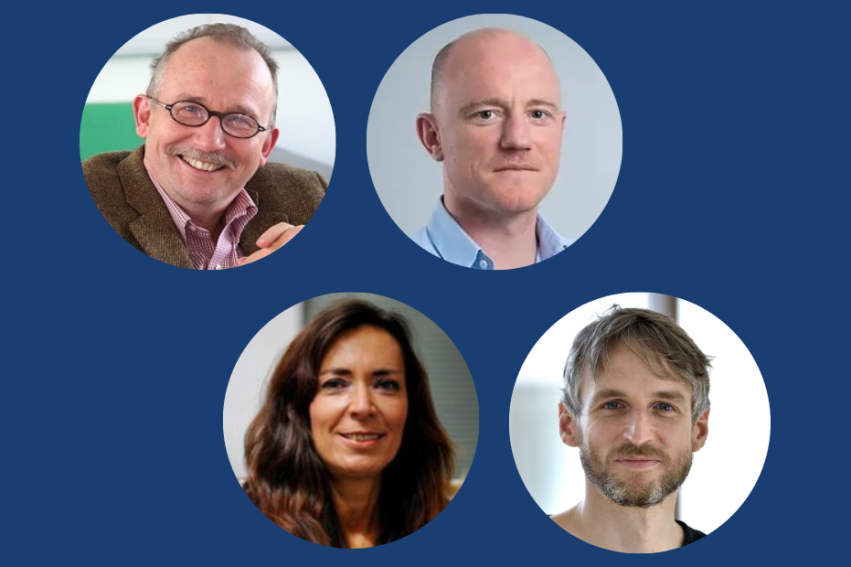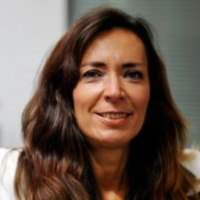
Katya Rubia is Professor of Cognitive Neuroscience at the Institute of Psychiatry, Psychology & Neuroscience at King’s College London.
Katya Rubia completed her PhD in Neuropsychology at the Ludwig-Maximilians-University in Munich in 1994 and joined King’s in 1995 as a post-doctoral RA on a European Fellowship, after brief post-doctoral RA posts in the Technical University of Munich and the University of Amsterdam.
Her key areas of expertise are:
- neuroimaging of cognitive functions in normal development
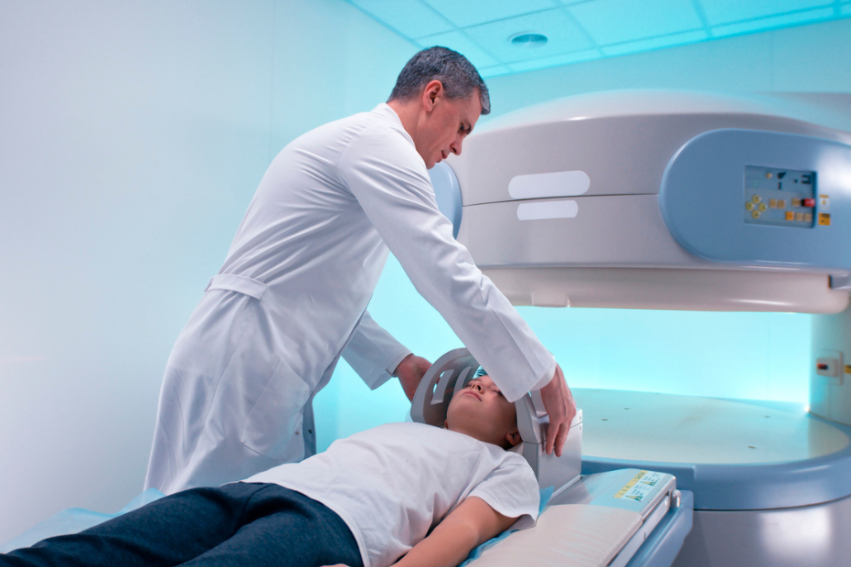
- structural and functional neuroimaging of neurodevelopmental disorders, most prominently ADHD but also autism spectrum disorder, obsessive-compulsive disorder, conduct disorder and childhood maltreatment
- pharmacological imaging of ADHD drugs and of neurotransmitter manipulations (Methylphenidate, Lisdexamfetamines, Atomoxetine, Guanfacine; Fluoxetine, Tryptophan depletion, Tianeptine, Cannabis, Heroin)
- PET imaging in ADHD adults
- Neurotherapeutics such as Real-time fMRI Neurofeedback and non-invasive brain stimulation combined with cognitive training in ADHD
Katya Rubia received the European Kramer-Pollnow Prize (KPP) in 2013, given for scientific excellence in clinical research in biological Child and Adolescent Psychiatry. In 2019 she was elected Corresponding Foreign Member of the Royal National Academy of Medicine of Spain which is given to internationally renowned academics that have contributed to the field of Medicine.
Recipient of the 2019 and 2020 Highly Cited Researchers of ISI Web of Science that recognises the world’s most influential researchers of the past decade, demonstrated by the production of multiple highly-cited papers that rank in the top one per cent by citations for field and year in Web of Science.