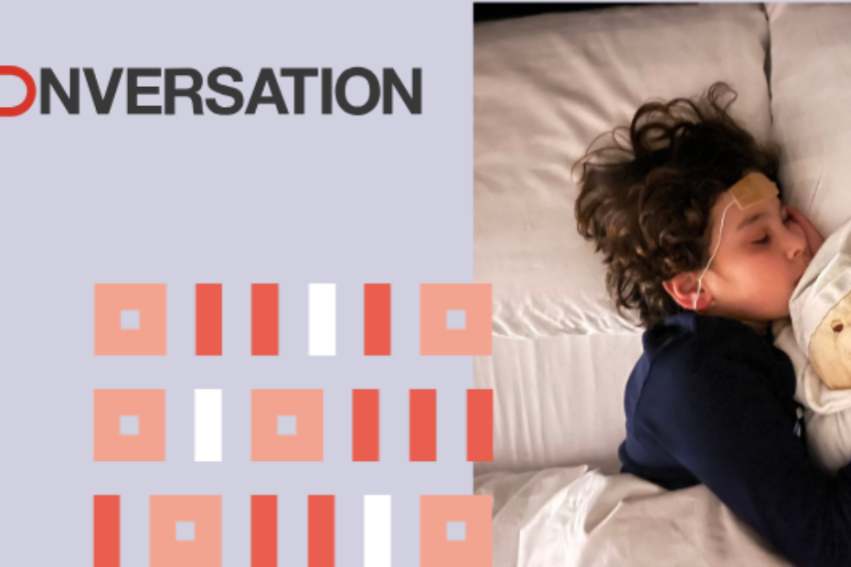
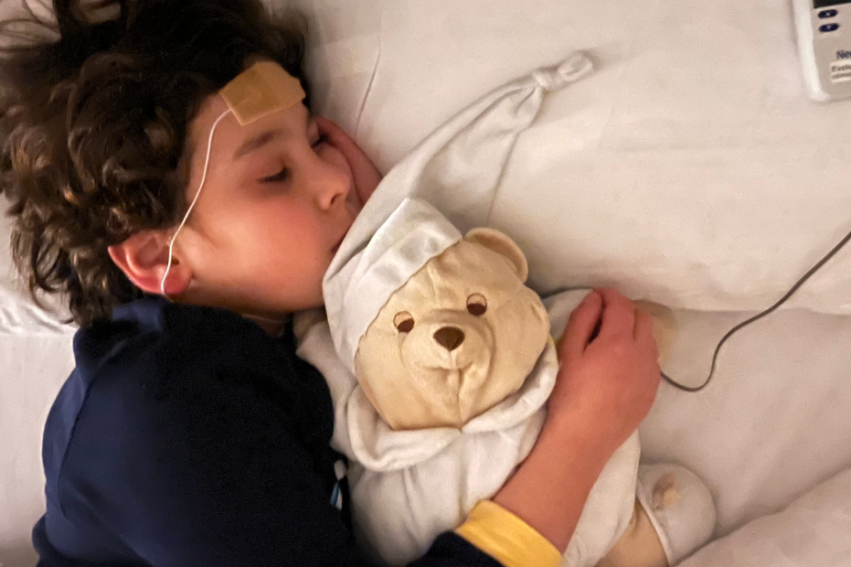
A new study examining the effects of External Trigeminal Nerve Stimulation (TNS) in children and adolescents with ADHD has found TNS does not affect thinking processes or physiological measures. This builds on previous research on the same sample that found TNS had no significant impact on the behavioural symptoms of ADHD.
ADHD is the most common neurodevelopmental disorder, affecting between 5% and 8% of children. This study, published in the American Journal of Psychiatry, analyses data from a multicentre randomised controlled trial of TNS on 150 children and adolescents with ADHD in the UK. This study specifically assessed cognitive outcomes, head movement as a sign of hyperactivity, and physiological measures such as heart rate and electrodermal activity.
The primary line of treatment for ADHD is usually psychostimulant medications but due to challenges in adherence, possible side effects and suitability, TNS has been explored as a potentially more tolerable option. However, in line with research published in Nature Medicine earlier this year, this paper shows TNS to be safe, but ineffective for ADHD.
Trigeminal nerve stimulation (TNS) device
TNS is a cost-effective neurotherapy, with minimal, transient side effects and can be used for certain psychiatric and neurological conditions. In 2019 TNS was cleared by the US Food and Drug Administration as the first non-pharmacological medical device-based treatment for ADHD, based on a pilot trial involving 62 participants. This new study looked at a larger, multicentre trial involving 150 children and young people with ADHD using a more rigorous placebo condition and showed no effect of TNS on clinical symptoms nor on cognitive performance or physiological measures.
Our work continues to demonstrate that TNS is not a viable treatment option for children and young people with ADHD, and emphasises the importance of rigorous placebo control conditions in randomised trials for potential novel treatments, so that new treatment hypes do not become shattered hopes. The placebo effect on symptoms and cognitive performance in neuromodulation studies –“the neuroenchantment effect”- is well documented and must be accounted for here.
Professor Katya RubiaSenior Author, IoPPN
This trial included four weeks of nightly trigeminal nerve stimulation (TNS). Participants’ cognitive function, head motion and other physiological measures such as heart rate was assessed before treatment as a baseline, again once they had completed treatment four weeks later, and again at a follow up six months later. Participants were split into those receiving active TNS treatment, and those receiving a sham treatment. The sham treatment involved participants unknowingly using an identical looking TNS device, only that stimulation was only given for 30ms every hour and then switched off, providing a believable placebo control for the trial.
The trial found no evidence that active TNS was superior to sham TNS in any of the cognitive or physiological outcomes, supporting the existing evidence base that TNS is an ineffective treatment option. TNS was shown to have no effect on performance on a large ADHD-relevant neurocognitive task battery, which included head motion as an objective indicator of hyperactivity, or on autonomic nervous system regulation. These findings add to the rigorous evidence against TNS as a viable alternative non-drug treatment for ADHD.