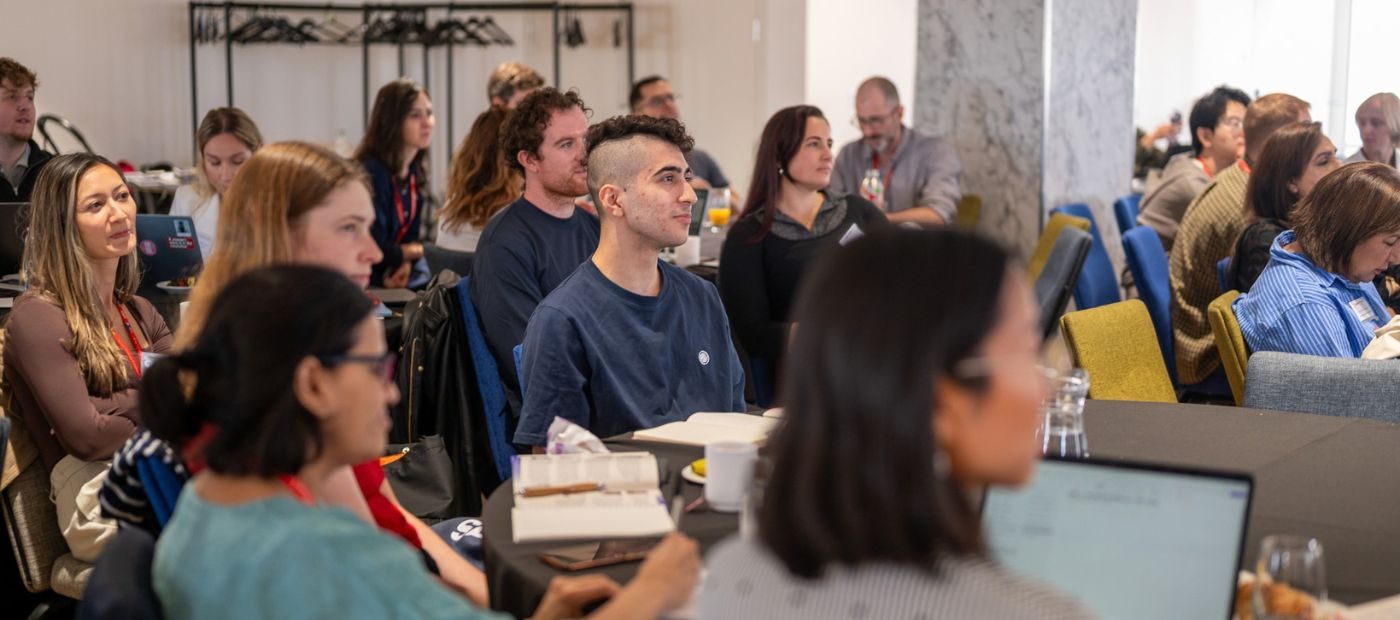
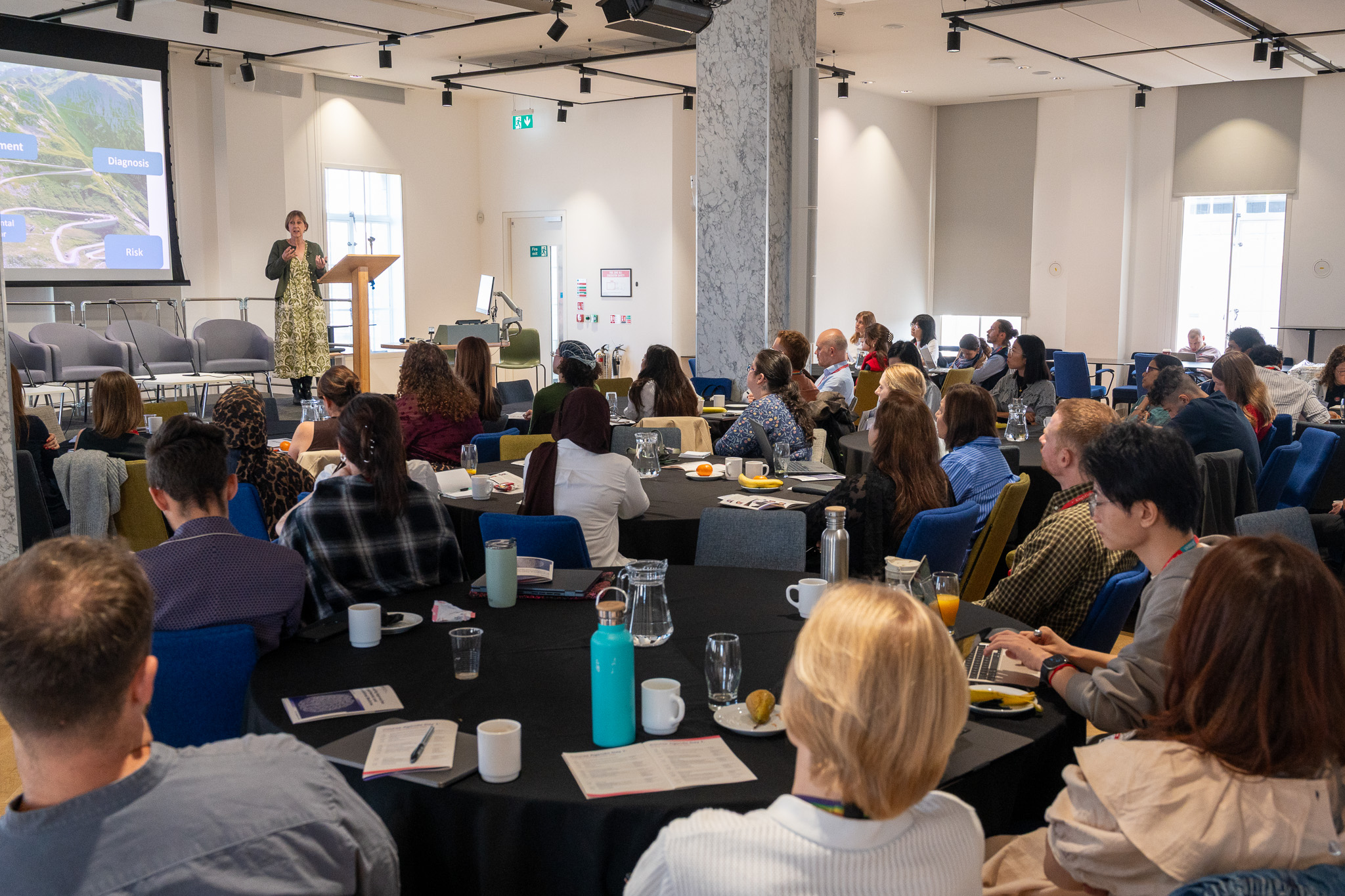
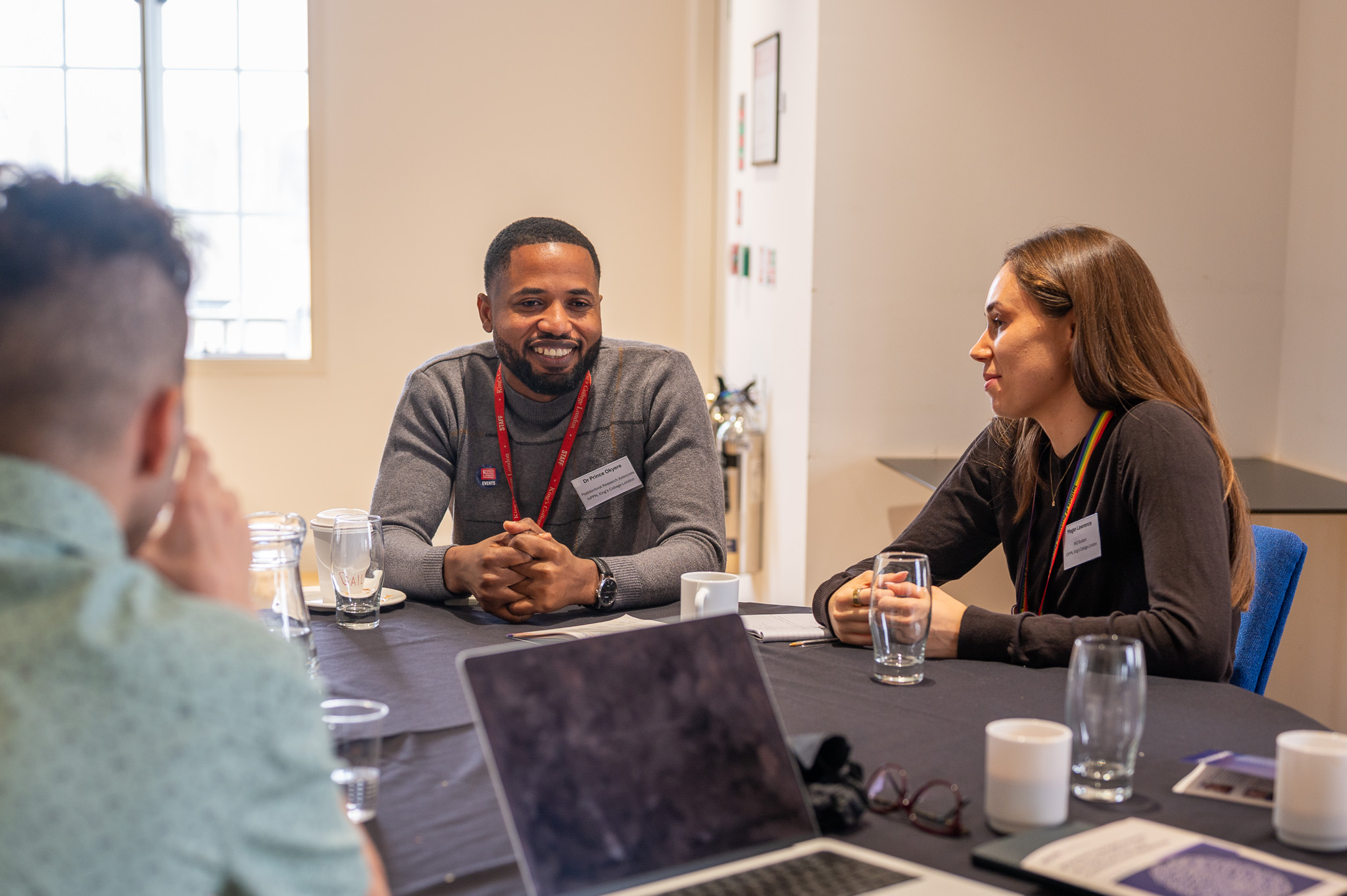
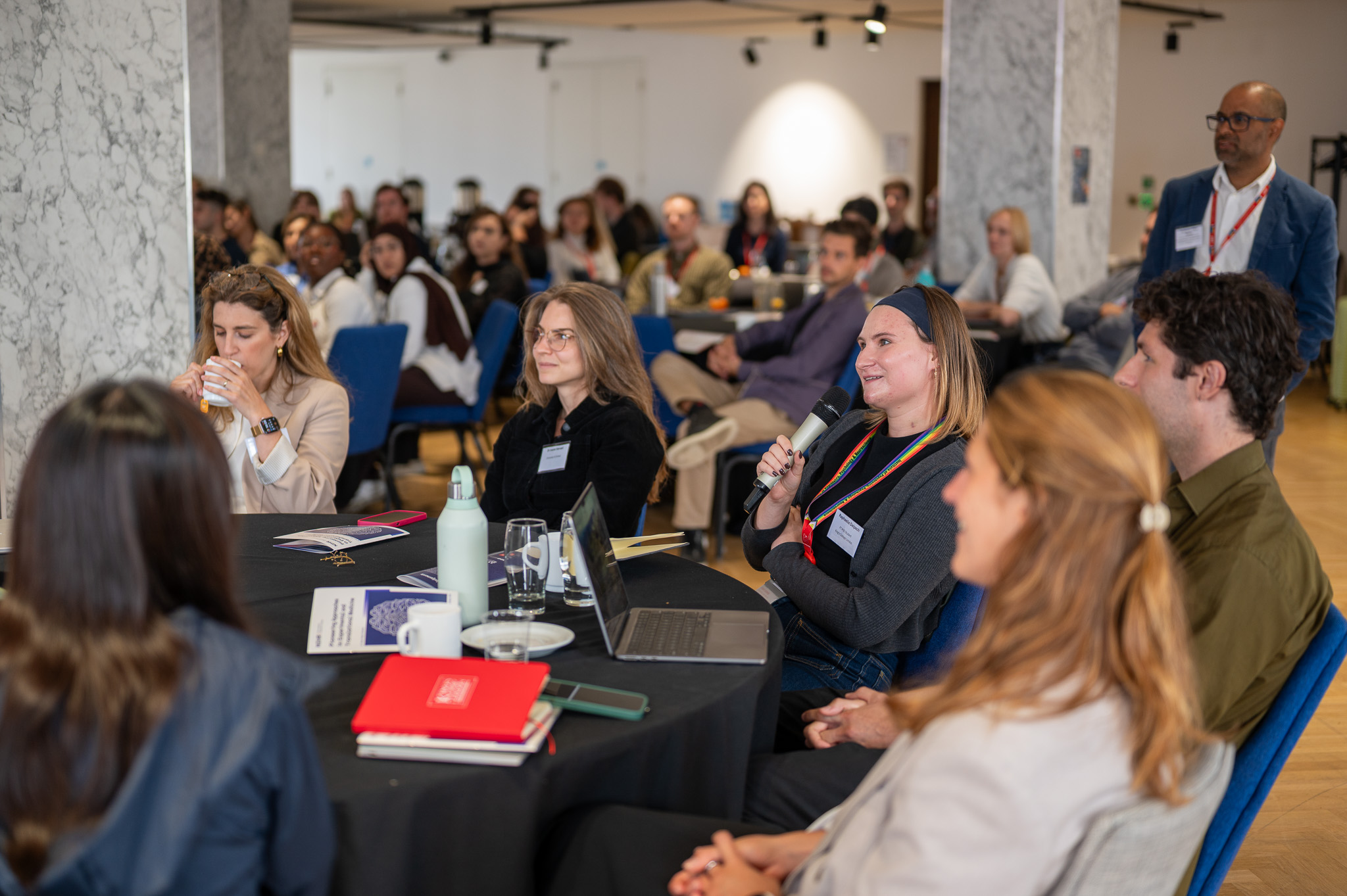
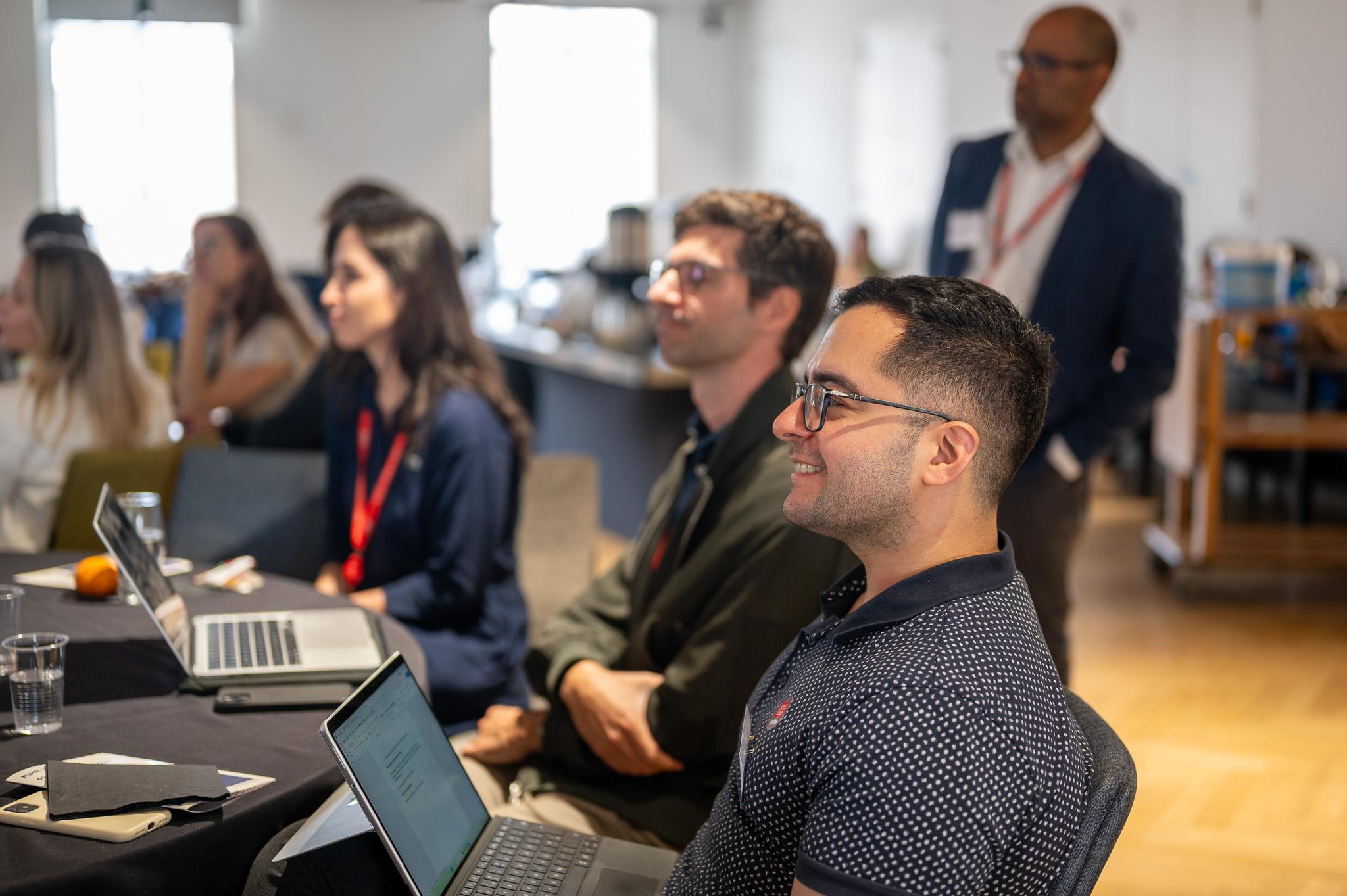
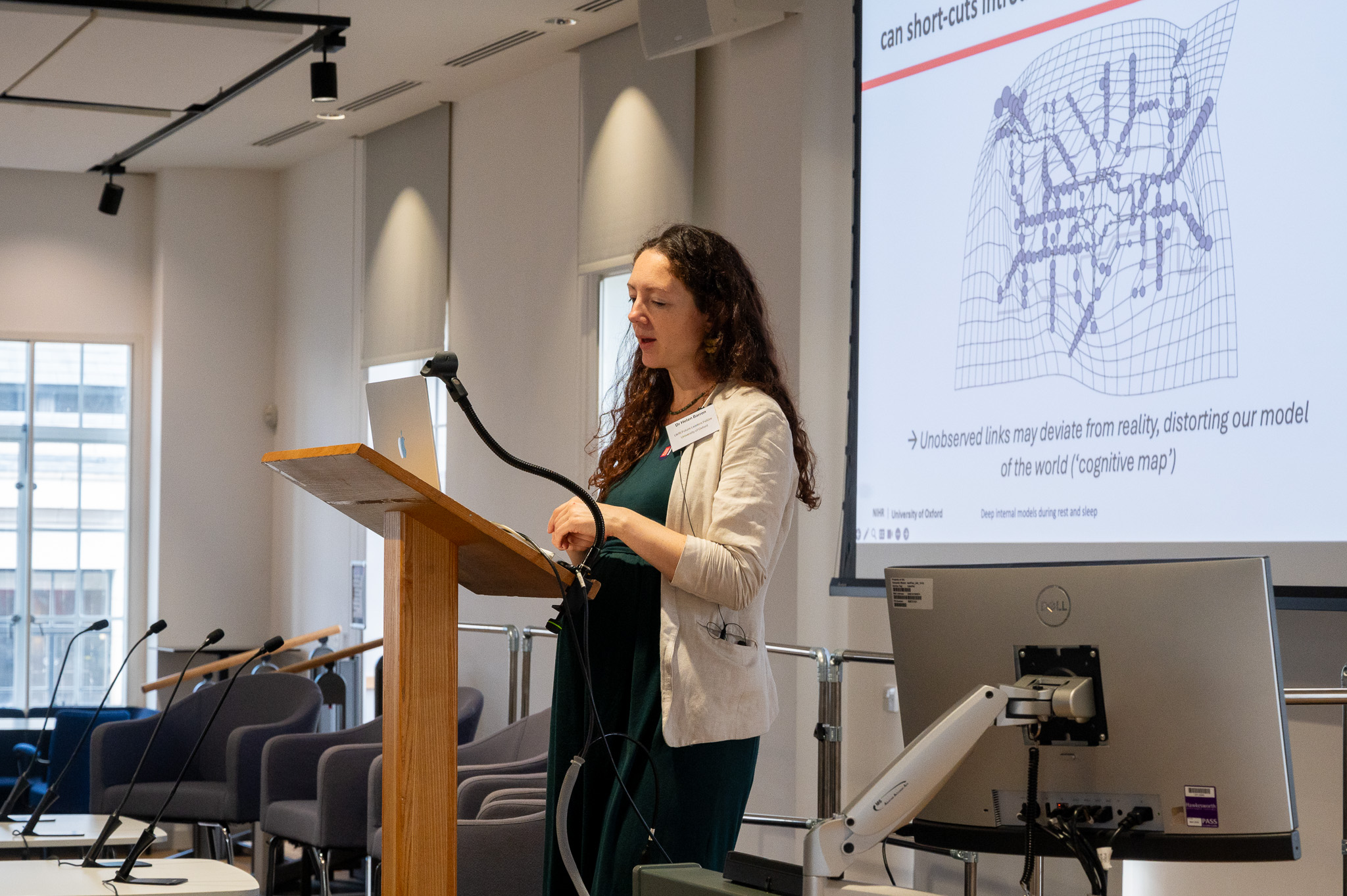
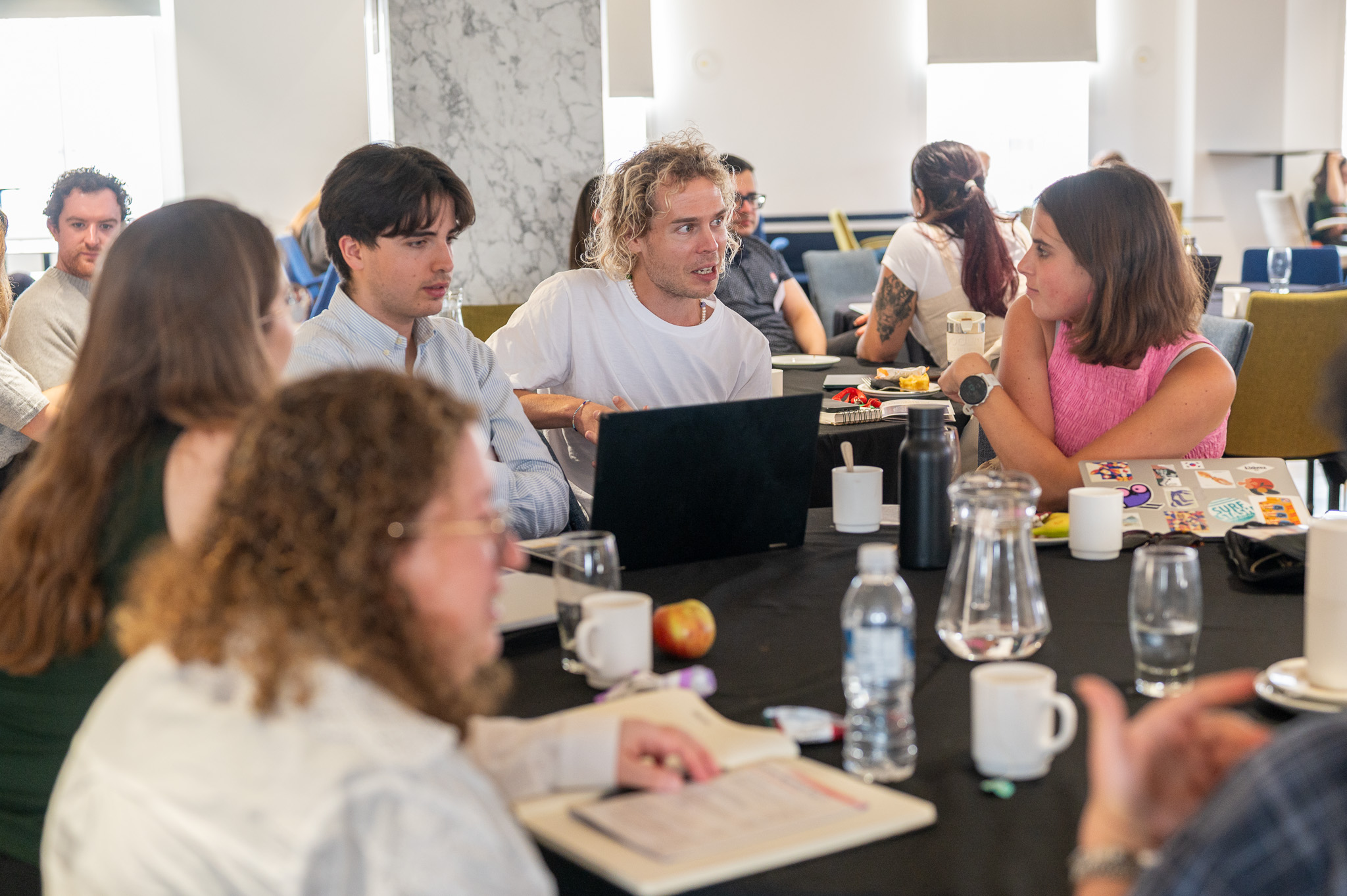
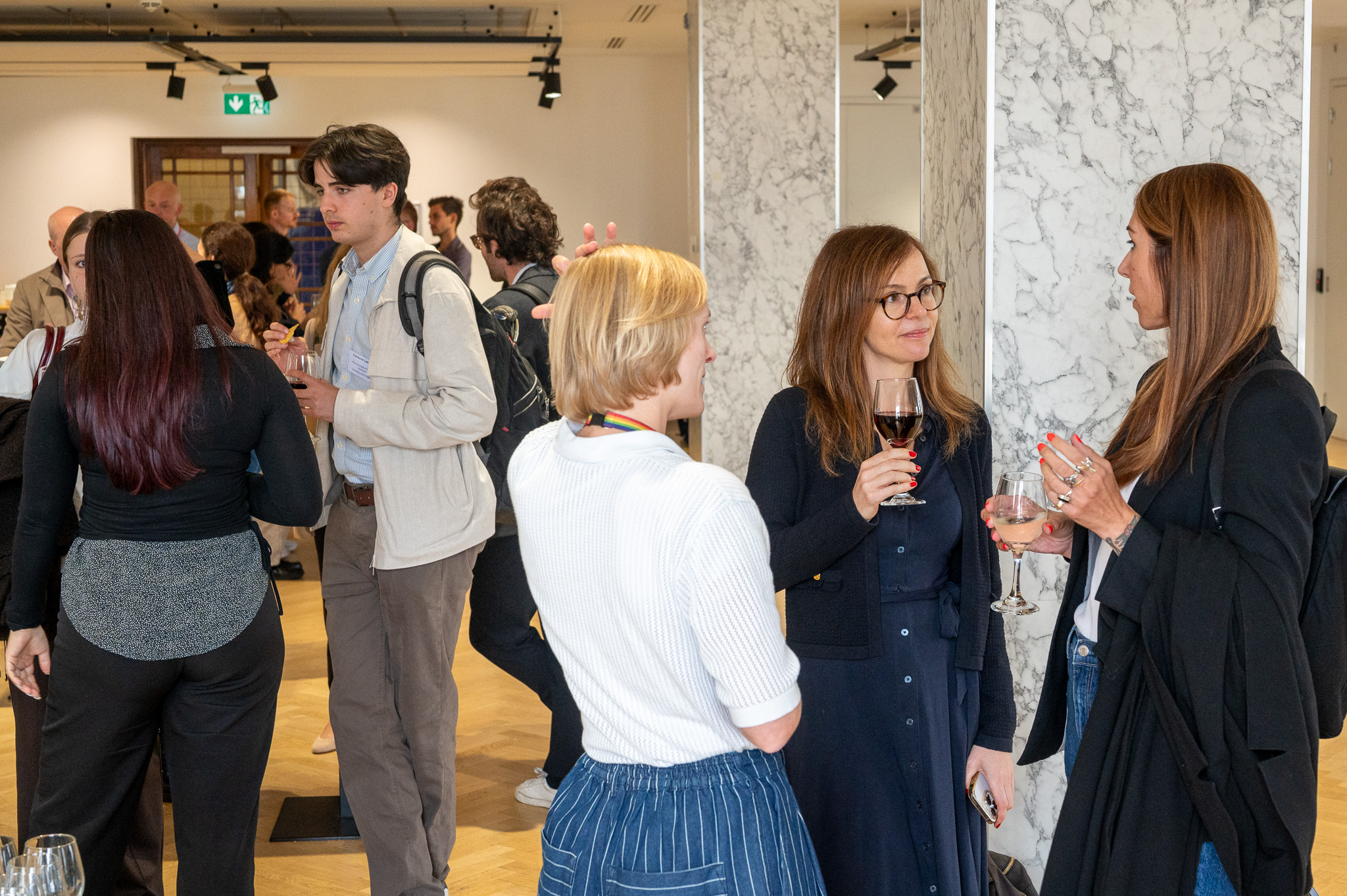
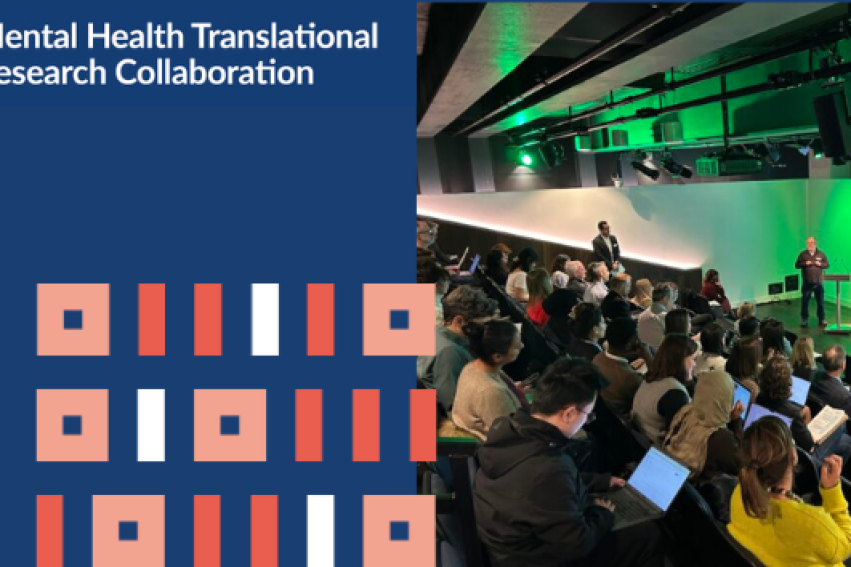
In September, over 80 staff and students attended a two-day course at Bush House, King’s College London, hosted by the NIHR BRCs: Maudsley and Oxford Health. It brought together researchers from across disciplines, to learn how innovative approaches in neuroimaging, neuromodulation, genetics, digital therapeutics and experimental medicine can be used to shape the future of translational research in mental health.
The programme, aimed at early career researchers, featured:
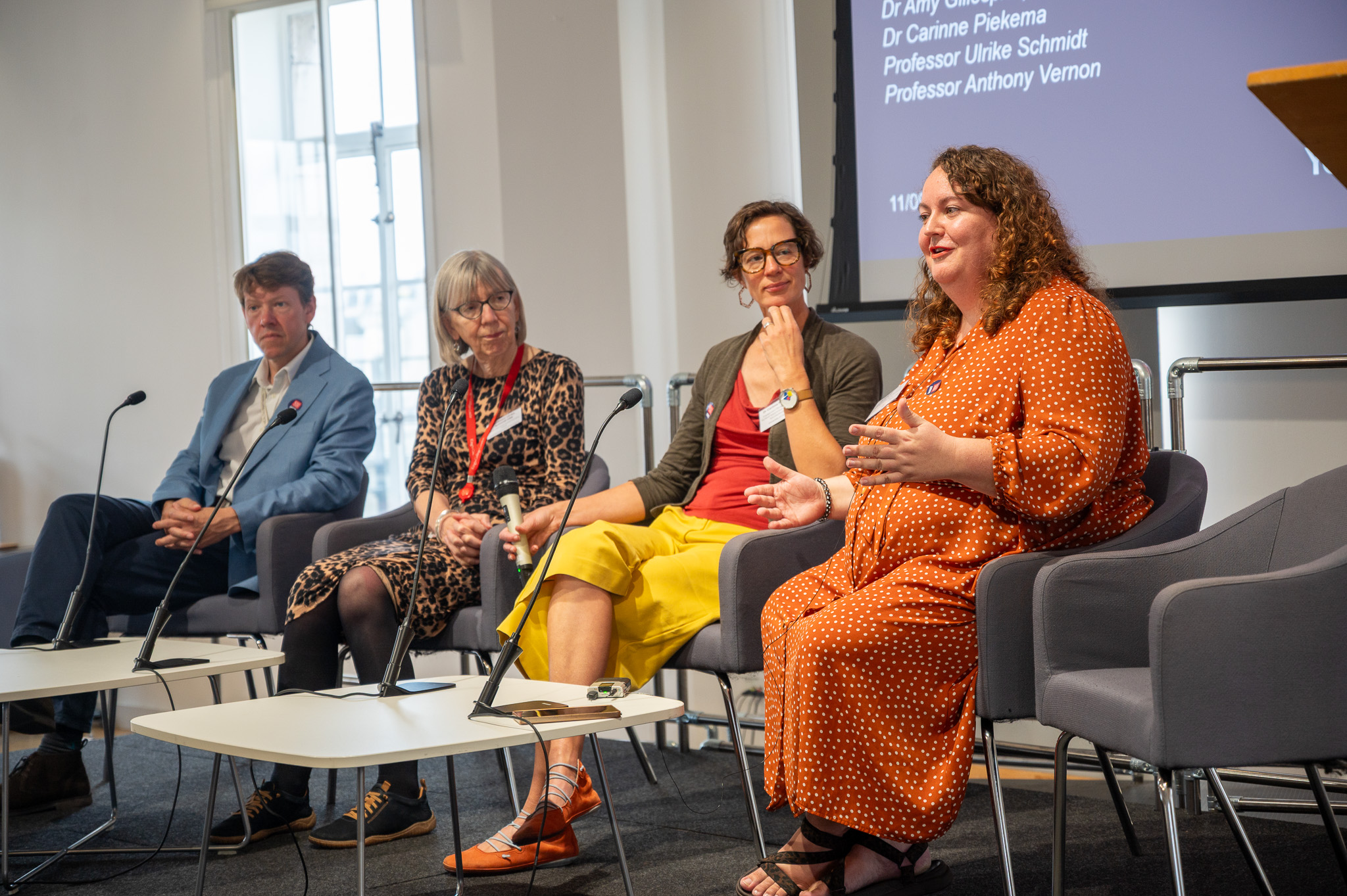
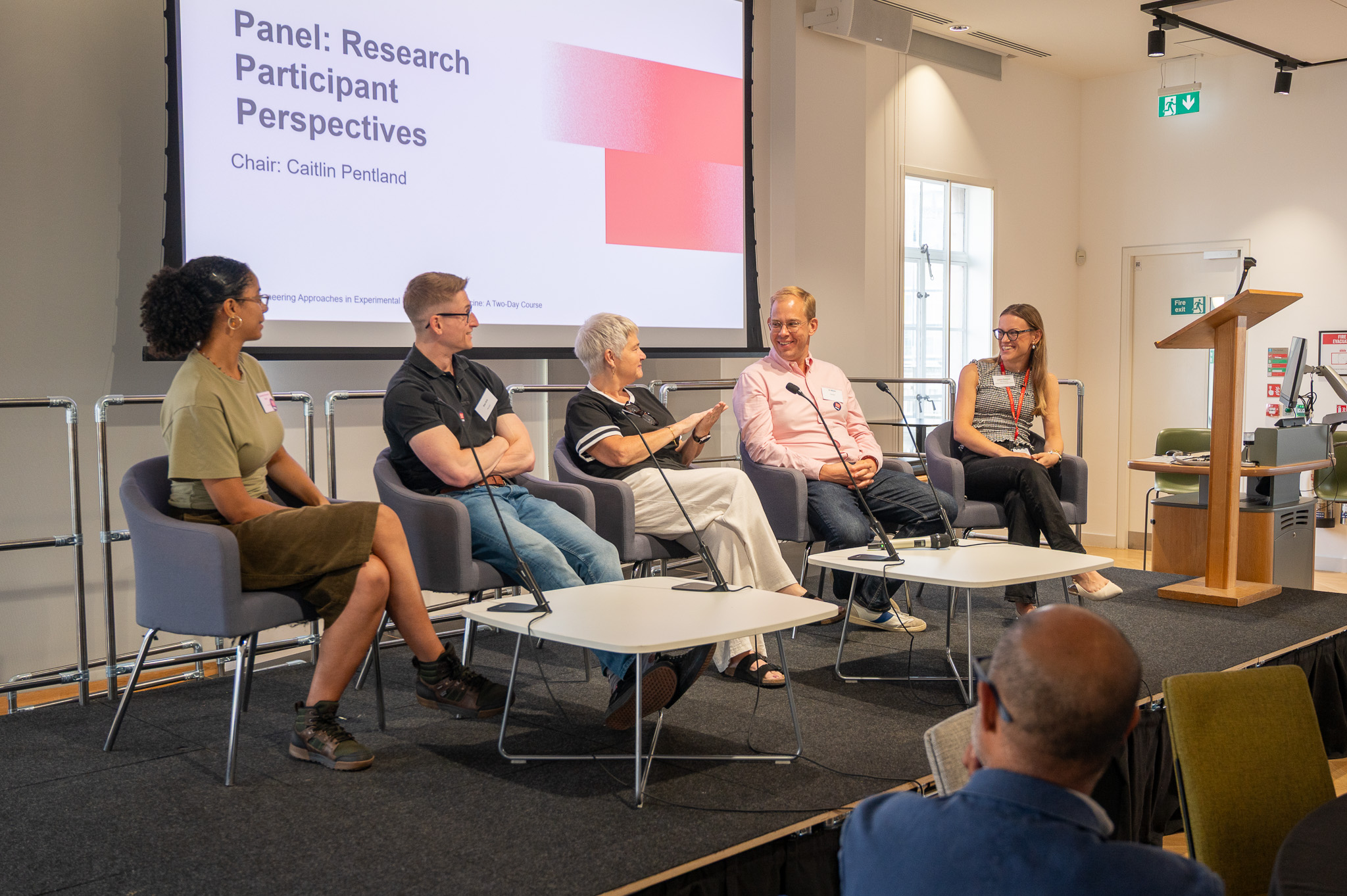
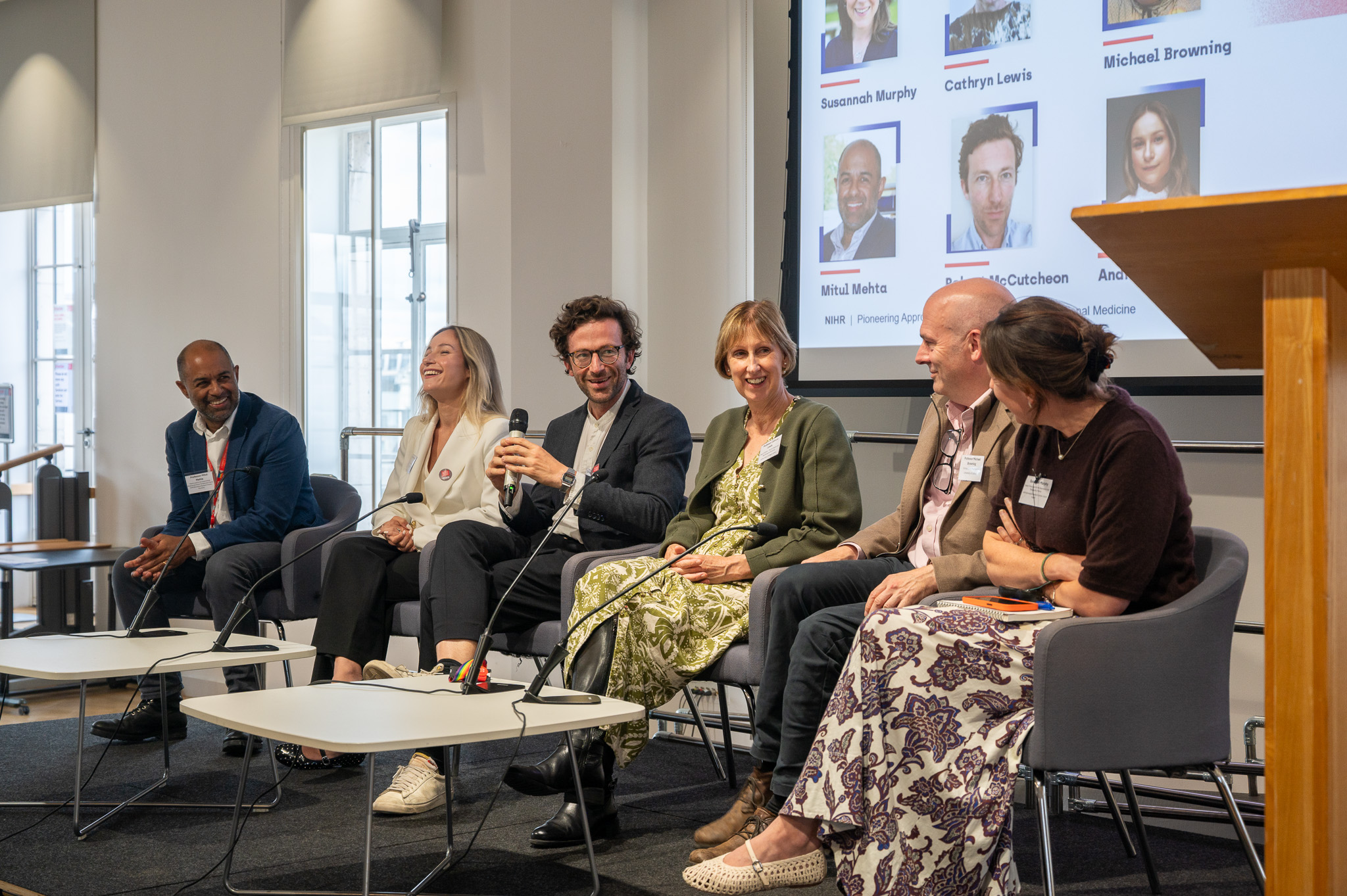
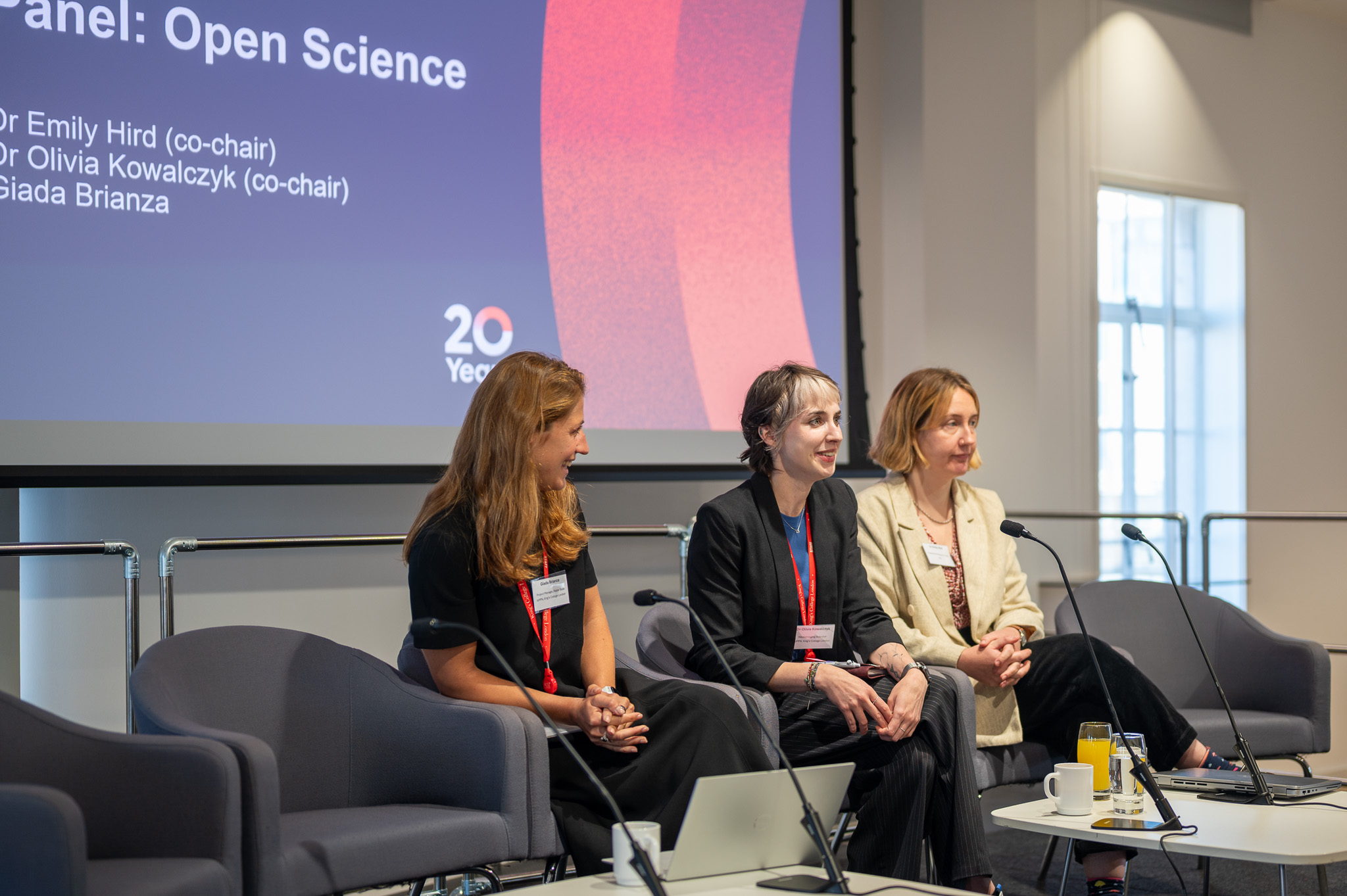
panel discussions on the importance of patient and participant perspectives, open science and collaboration
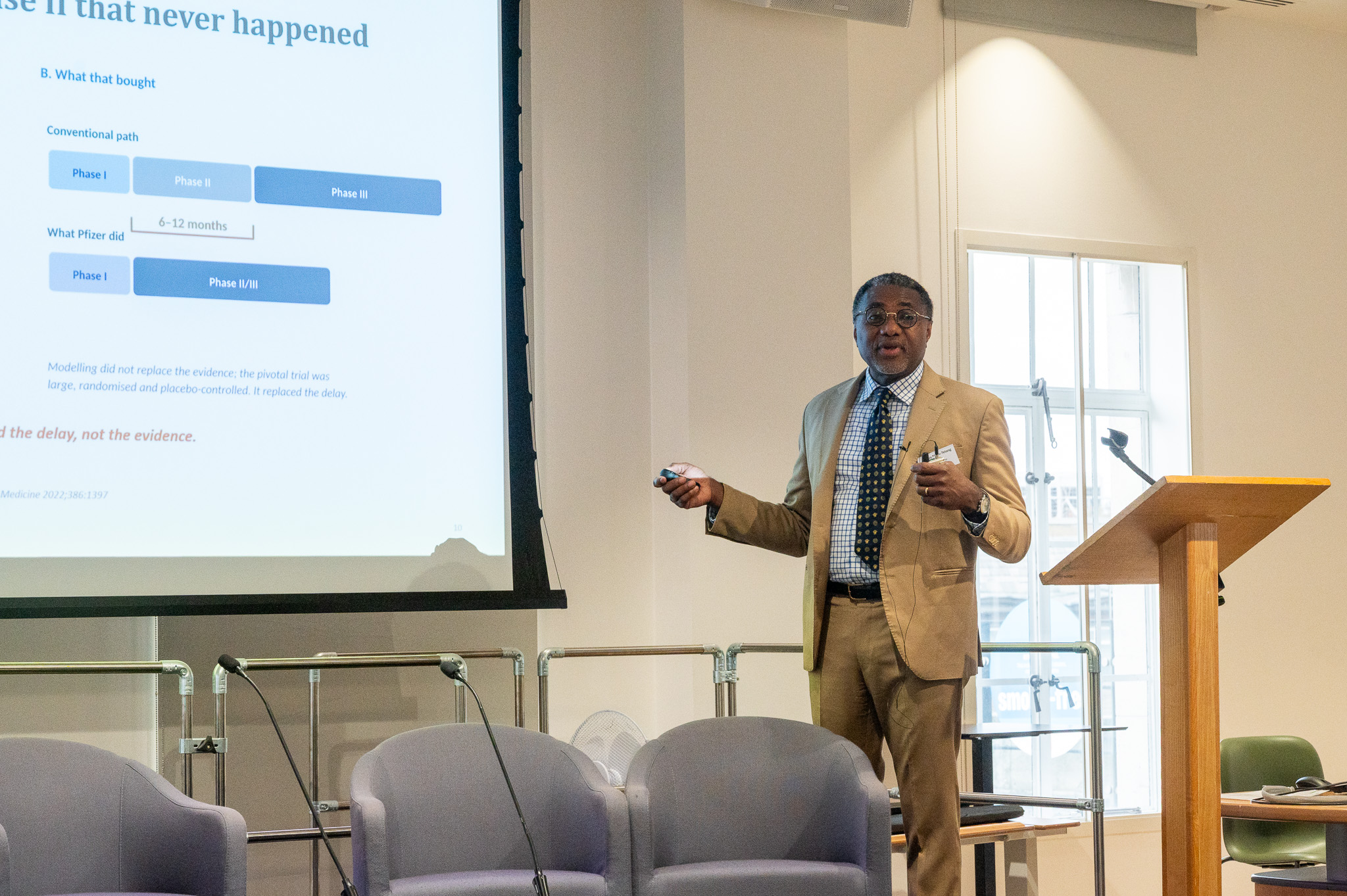
‘Inspiring Perspectives’ from experts in eating disorders, sleep, polygenic scores and depression and quantitative modelling
and advice on preclinical studies, study design and experimental methods.
Skills and career development – organised by, and for early career researchers
Fundamentally, the course aimed to equip the next generation of researchers with the tools and knowledge needed for successful careers in experimental and translational medicine. The organisers included a team of early career researchers who helped develop the programme and speaker line-up.
Below are some reflections from the course leaders, and event participants and organisers on their key takeaways.
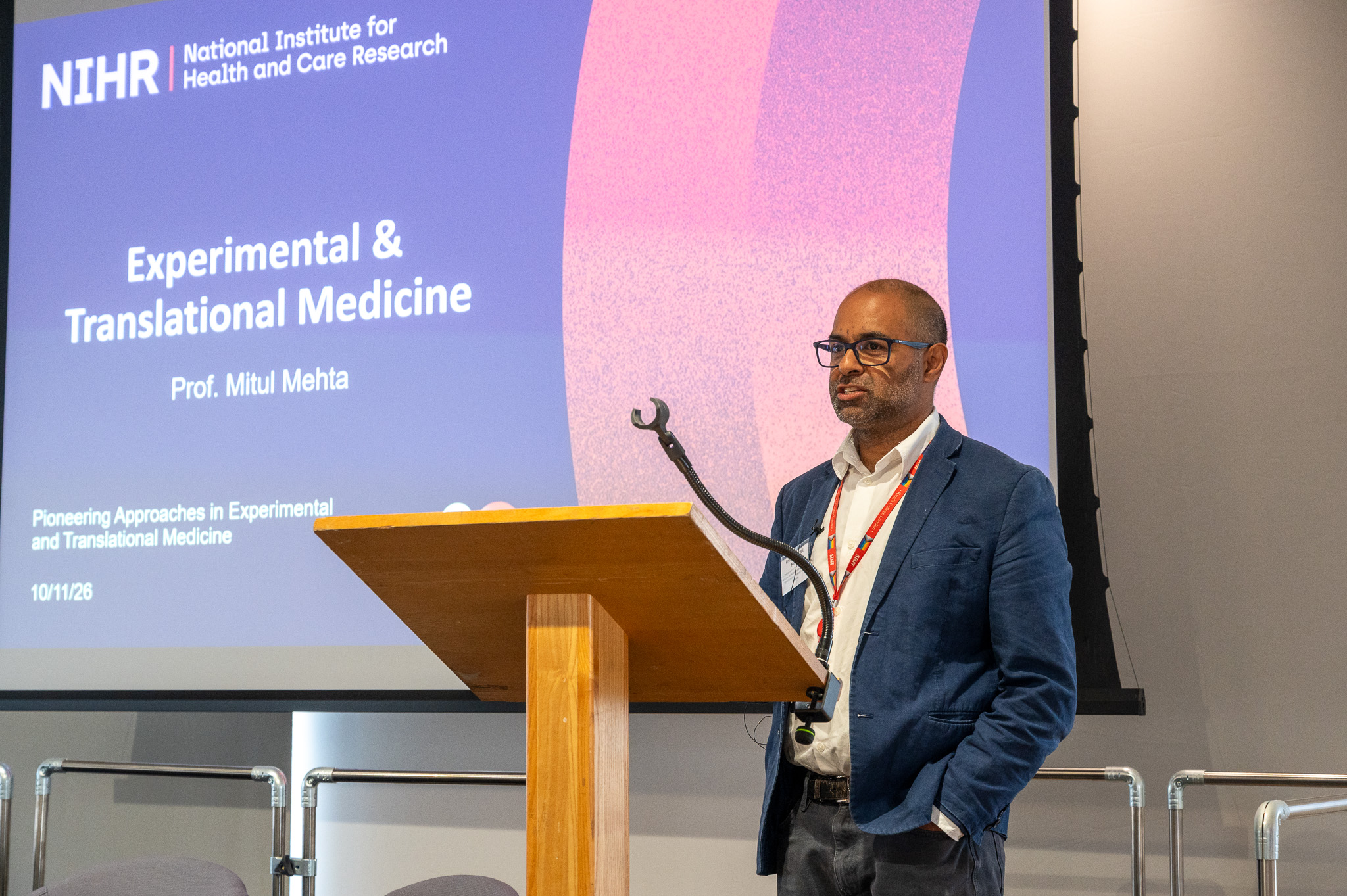
“It is important to be responsive to changes in the field and funder priorities. Having a plan that is too strong or rigid, could potentially hold you back. Having that deep expertise in your area of specific interest, while keeping abreast of connected fields may be the best way to prepare for any choppy waters in your career.”
Professor Mitul MehtaExperimental Medicine and Novel Therapeutics theme lead at the NIHR BRC: Maudsley
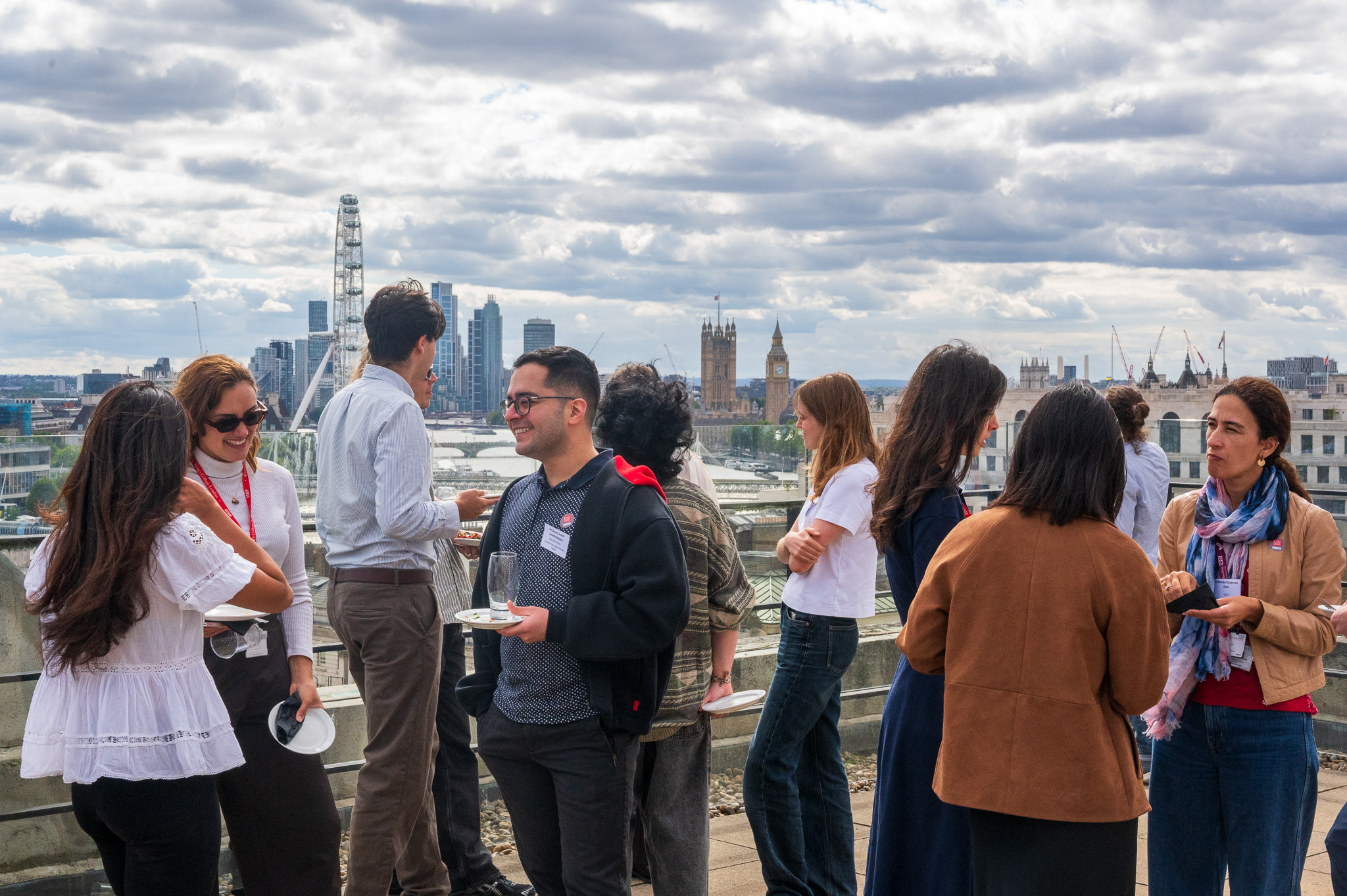
"The range of approaches, applications and perspectives showcased how ideas and solutions can be inspired by those working in complementary areas of experimental and translational medicine. The course provided a wealth of opportunity to learn from each other and build networks in mental health research."
Professor Alice EgertonExperimental Medicine and Novel Therapeutics deputy theme lead at the NIHR BRC: Maudsley
"An idea that stuck with me is the importance of becoming a ‘T-shaped’ researcher: developing deep expertise in an area you care about, while also collaborating widely with people who bring different skills and perspectives. Find good people to work with, ask for help, and take every opportunity to build your network. It was fantastic to see such an enthusiastic and engaged group of early-career researchers at this event. "
Susannah MurphyDepression Therapeutics Deputy Theme Lead at the NIHR BRC: Oxford Health
"A lot of work went into organising this event, so it was rewarding to see such positives responses and engagement from the attendees! I hope that attendees will have taken at least one thing from this course that they can actually put into practice in their own research. Whether that be thoughts on how to better involve participant and patient perspectives, making their research more open through better open science practices, or a potential analysis method or technique.”
Daire DouglasPhD Student, NIHR BRC: Maudsley
"I hope attendees left feeling inspired to be bold, creative, and ambitious. In research, the path ahead is often yet to be trodden, and the event did an excellent job of showcasing novel methods, innovative research questions and how ideas from one field can open up new possibilities in another."