
Ottavia Ollari
Ottavia Ollari is a NIHR BRC: Maudsley PhD student. Her supervisors are Dr Nicolaas Puts, Dr Luke Mason and Professor Emily Jones
In April 2026 Ottavia was asked about her academic journey, her PhD and her thoughts on diversity in research.
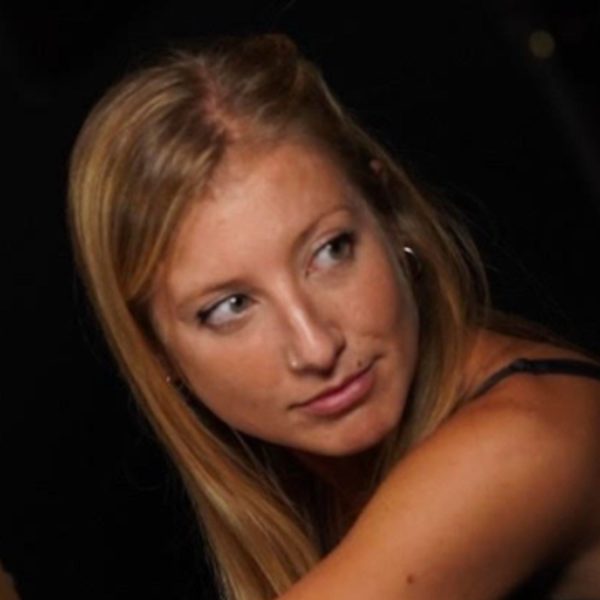
The IoPPN is one of the world’s leading centres for psychiatric research. I wanted to pursue a PhD at the NIHR Maudsley BRC as I knew I would be joining an outstanding team and research environment.
My research explores how the brains of neurodivergent individuals process sensory information and how psilocybin, a psychedelic compound, influences this process.
I began working with neurodivergent children during my BSc at Gaslini Children Hospital in Genova, Italy. I witnessed firsthand how early interventions can tap into the brain’s remarkable plasticity at its earliest stages, shaping development in meaningful ways. This experience inspired me to pursue neuroscience, driven by a desire to translate these insights into research that can have a tangible impact on people’s lives.
After Brexit, securing an academic position in the UK became very challenging. There are very few opportunities available for non-UK students. I was offered my first PhD position in London in 2022, but the university was unable to cover my fees, so I had to withdraw. I continued applying for the next couple of years before finally obtaining my current PhD position.
My journey has given me the space to refine my ideas about the direction I wanted my research to take and the people I wanted to collaborate with. This growth happened in parallel, both academically and personally.
I hope my work will deepen our understanding of how the sensory environment affects other aspects of neurodivergent people’s lives, while also identifying practical ways to provide them with alternative strategies to help overcome these challenges.
I’d recommend gaining practical experience first, before considering a PhD. It is important to build independence and critical thinking skills and be selective about the people you choose to work with.
After my PhD I will likely remain in academia for a few years and then reassess my priorities before deciding on my next steps.
I’d like academia to be more inclusive by becoming a less competitive and hierarchical environment, with greater openness to people’s ideas.
My supervisors have been a great support. They consistently encouraged me not to give up and to gain the essential experience needed before starting my PhD. Seeing people who believed in me helped me recognize my strengths and have confidence in them, even when bureaucratic obstacles made progress difficult.