

As a consequence of the huge and increasing volumes of available data, biomedical research is undergoing significant changes, with considerable potential for translation to improve healthcare. Our Informatics theme integrates rich clinical data from anonymised patient records with large, variable datasets, such as genetics, brain scans, and wearable technology (such as Fitbits), among others, to better understand mental health disorders.
With patient-led governance, we have developed internationally unique data resources and low-cost, open-source solutions available to all. These have already transformed research capacity and are presenting clear opportunities to transform clinical care.
Our theme is responsible for our Clinical Record Interactive Search (CRIS) system which allows analysis of routine electronic anonymised medical records from South London and Maudsley NHS Foundation Trust. It also links with a range of internal (e.g., neuroimaging) and external (health and non-health) datasets to maximise the research potential of these data.
Data linkages include the eLIXIR, Born in South London cohort, generated from linked maternity, neonatal/child health, mental health, and primary care records across King’s Health Partners Trusts. The programme is helping to explore the ‘life-course’ of some of the most common diseases in real-time.
We are leaders in applied healthcare text analytics, with a suite of more than 100 natural language processing algorithms developed to date and AI based NLP approaches (CogStack MedCAT). These have ‘unlocked’ hitherto unrealised detailed information on clinical care and patients’ experiences. We lead national and international programmes, including the HDR UK national healthcare text analytics.
We also co-lead DATAMIND which is the Health Data Research Hub for Mental Health that is optimising the discoverability and usability of diverse data sources for research to help improve the lives of people with mental health conditions.
Our theme builds on existing expertise in data science, AI, software engineering, with robust patient and public involvement/engagement (PPIE), to translate data-driven insights into measurable patient benefit.
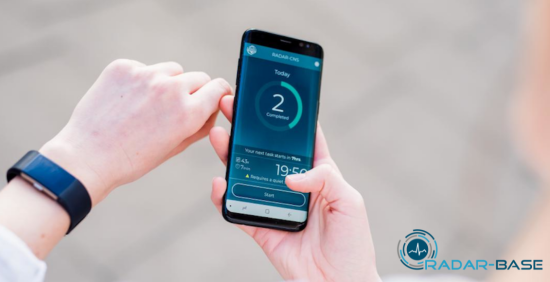
We continue to expand our mental healthcare-linked data resources and methods and extend our real-world data collection by linking self-report, wearable data mobile health through our platforms (RADAR-base) and electronic health records.
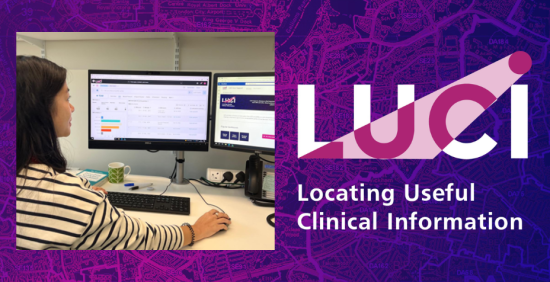
We are translating our research into live NHS systems, enabling new models of blended clinical care and value-based medicine. At South London and Maudsley NHS Foundation Trust, translation from CRIS to electronic health record enhancement for quality improvement is being realised through the LUCI initiative, and translation from CRIS findings to prescribing support has been realised through Medichec.