The NIHRfunds PhD studentships to support and train the next generation of researchers, building the skills to help transform mental health care. Inclusion underpins every aspect of our BRC’s research culture, and our students are helping to champion this, often shaped by their own personal and professional experiences.
We currently have a cohort of 50 PhD students, selected from a highly competitive applicant pool of 587 applications.
We were encouraged to see such a diverse and talented group of people seeking to join our doctoral programmes. More than a third of applicants were the first generation in their family to attend university. Nearly 40% attended a non-selective state school for most of their secondary education. Applicants came from a wide range of ethnic backgrounds, with over half identifying as belonging to a minority ethnic group. Women made up 68% of applicants and 79% of those appointed. 11% of applicants reported having a disability. 16% of applicants said their households received income support during their school years.
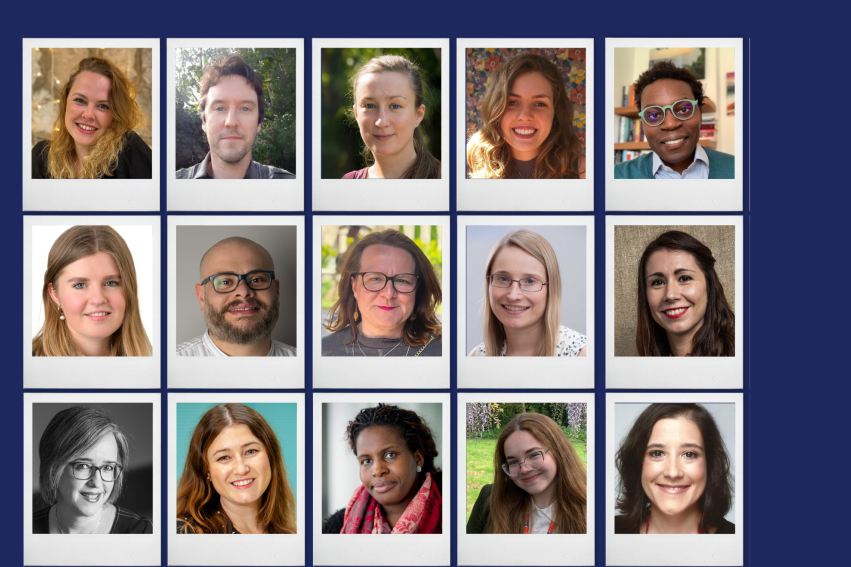
Over the past few months, we’ve spoken with PhD students funded by our BRC, with backgrounds in neuroscience, psychology, biological science, social science, physical science, mathematics and statistics.
Our PhD students shared their stories about what brought them to start their research careers, their PhD journeys and why equality and diversity in research is so important.
Jason Grant-Rowleswrote about moving from being a participant in mental health services to shaping the research itself, driven by a desire to make participation more meaningful and accessible for others. His PhD is focused on how to improve informed consent within schizophrenia research.
Eman Yousufshared her experiences and work with young people. Her research explores intrusive images and has involved working with schools and underserved communities.
Soha K. Patil’s PhD is on translational neuroimaging for psychosis and mood disorders. Her work highlights how traditional datasets have often excluded large parts of the population, meaning our understanding of mental health isn’t always as representative, or as useful, as it should be.
Ottavia Ollariwrote about her journey into academia, navigating barriers, setbacks, and uncertainty before securing her PhD studentship. Ottavia’s story is a reminder that behind every researcher is a path that isn’t always straightforward, and that broadening access to research careers is just as important as diversifying research itself.
Zara Rehman’s work on chronic pain in Parkinson’s disease looks beyond a single cause, taking a whole-person approach- studying biological, psychological, and social factors. Her research is about understanding why people with Parkinson’s often experience chronic pain, and why that pain can feel so different from one person to another. Zara discusses the importance of inclusive, empathetic academic spaces to help students navigate setbacks and find their voice.
Rachel Whyte is researching why some people may experience increased risk of self-harm or suicidal thoughts during recovery from an eating disorder. Rachel’s work highlights the importance of looking beyond symptoms alone and recognising recovery as a nuanced journey that requires ongoing support.
Eleonora Broggi‘s research focuses on improving how we evaluate and personalise interventions in autism. She is working to move autism research away from guesswork towards clearer, biology-guided decisions.
“The unique stories of our PhD students are inspiring reminders that behind every researcher is a personal journey, often shaped by challenges and adversity, as well as determination and ambition. Supporting PhD researchers from different backgrounds, disciplines and life experiences is essential not only for creating a fair and inclusive research culture, but also for delivering the innovative, impactful research needed to improve mental health outcomes for everyone."
Dr Mariana Pinto da CostaResearch Inclusion Champion at the NIHR BRC: Maudsley